
This post contains affiliate links. Read full disclosure here.
Dear English Majors, Literature Lovers, and Janeites,
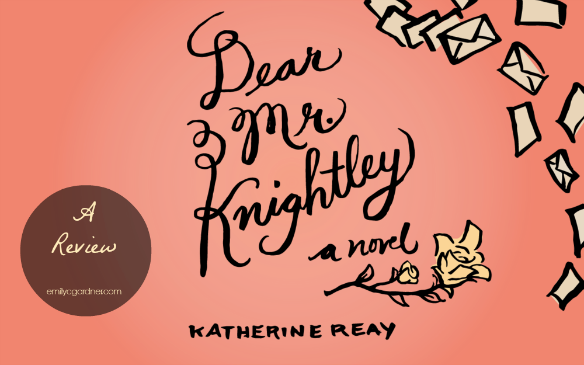
It’s time to embrace your inner book nerd, to get down with your classics quoting bad self. You need to stop reading whatever you’re reading and pick up Katherine Reay‘s debut novel, Dear Mr. Knightley. I conveniently started this book a couple days before my husband got food poisoning. The story was so good, my 8 hour vigil seemed like an afternoon by the pool. (Actually, the all-nighter was rough, but I was so glad to have a page-turner to keep me company while Tim was endlessly vomiting…)
Now, I know the title alone would convince most of you that this book was worth reading – because who among us can pass up a nod to Austen? – but, Dear Mr. Knightley goes beyond your average, albeit enjoyable, Austen sequel. Mrs. Reay cleverly integrates classic literature into a nuanced plot that is both charming and poignant. Plus, she gives a nod to the likes of Lady Susan, Clarissa, and Pamela by writing the story in epistolary form.
The story centers around Sam, a twenty-three year old orphan who is back at Grace House after getting fired from her desk job. When an anonymous benefactor offers to fund her continued education, Sam reluctantly applies to Northwestern University’s Medill School of Journalism. There’s a catch: on top of her doubts about the program, she must write regular letters to the mysterious donor who chooses to be addressed as Mr. Knightley. A unique relationship develops as Sam begins to sort through her painful past in the one-sided letters.
If Sam’s habit of quoting Dumas, Austen, and the Brontë sisters doesn’t engross you, the cast of supporting characters will keep you turning pages. The enigmatic writer, the sweet professor and his wife, and the brooding youth bring engaging complexity to Sam’s journey.
Veins of social justice, faith, and romance add to the literature steeped narrative. I learned more about the foster system, the importance of genuine relationships, and the process of forgiveness. I also appreciated the unexpected plot resolution and can’t wait for Mrs. Reay’s next book.
Dear Mr. Knightley is a rich and readable story with subtle spiritual themes. It is sure to get you busting out your college English syllabus and dropping your favorite Austen quips in everyday conversation. Even if you don’t catch all the literature references, you will thoroughly enjoy this novel.
Sincerely,
Emily
(a fellow English major, literature lover, and Janeite)
P.S. Don’t miss the questions at the back to discuss with your bookish friends.
P.P.S. Any book that mentions both Jane Austen and Fletch is a winner.





 A beautiful memoir of food, family, and friendship. Her prose are effortless, the themes are relevant, and the recipes are delicious. I loved everything about this book. I loved this book so much, I geekily wrote an expanded discussion guide for the book. You can find them here:


 Emily C Gardner